
Central index
Search across articles, concepts, methods, places, and Field Collection records without forcing knowledge into one format.
Knowledge Library.
Knowledge index
4 records
Results reflect every active URL filter and can be bookmarked or shared.
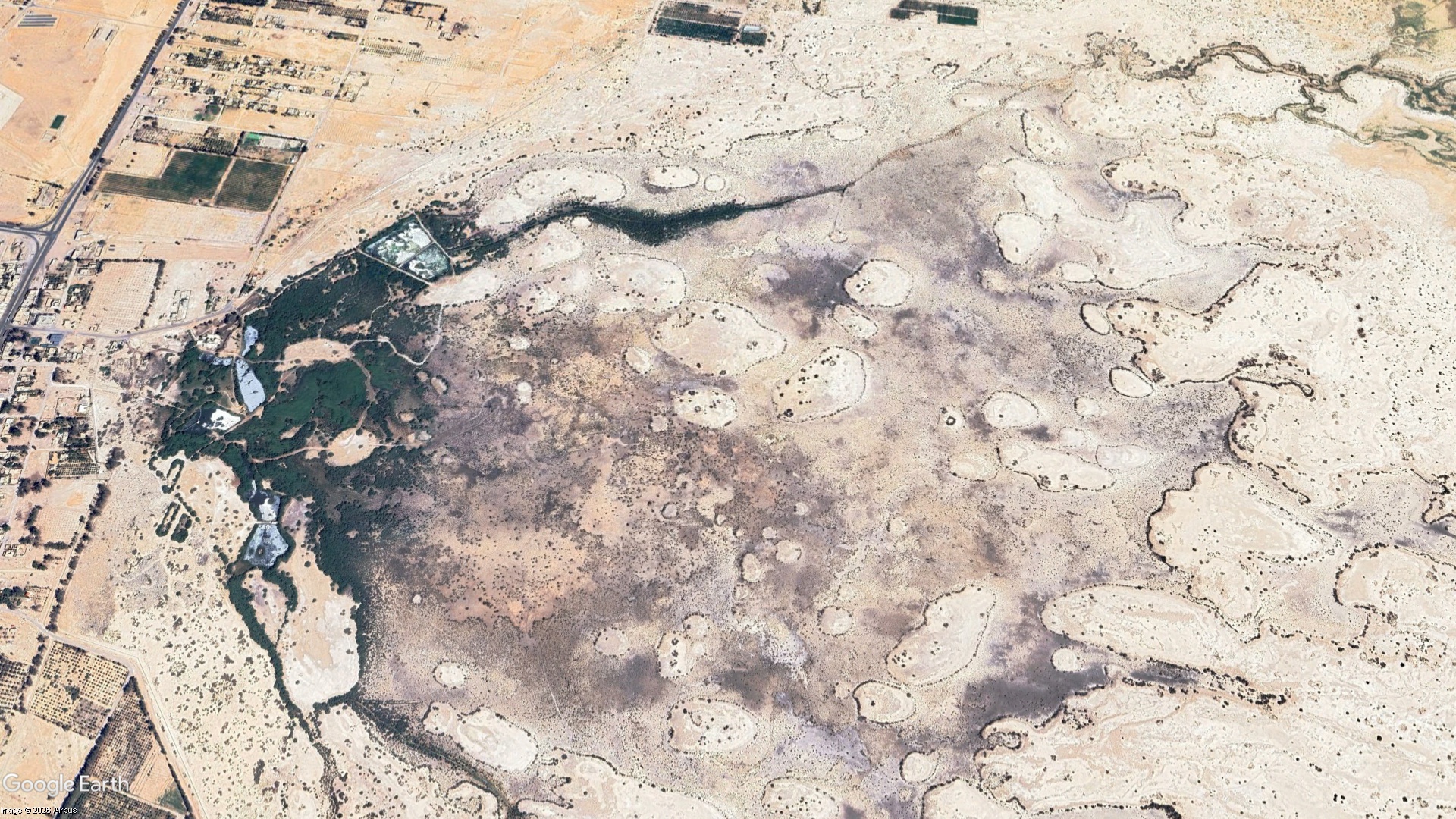
The Wetland Seen From Space: What Greenness Means at Qa al-Azraq
A research-led reading of vegetation recovery at Qa al-Azraq in Jordan. Satellite analysis documented a major expansion of vegetation between 2015 and 2025, while bird monitoring, groundwater evidence, and the artificial pumping that sustains part of the wetland reveal a more complicated ecological story. The article asks not only what remote sensing can show about recovery, but what kind of water future can sustain Azraq without reproducing pressure on its depleted aquifer.
Azraq Wetland Reserve, Zarqa
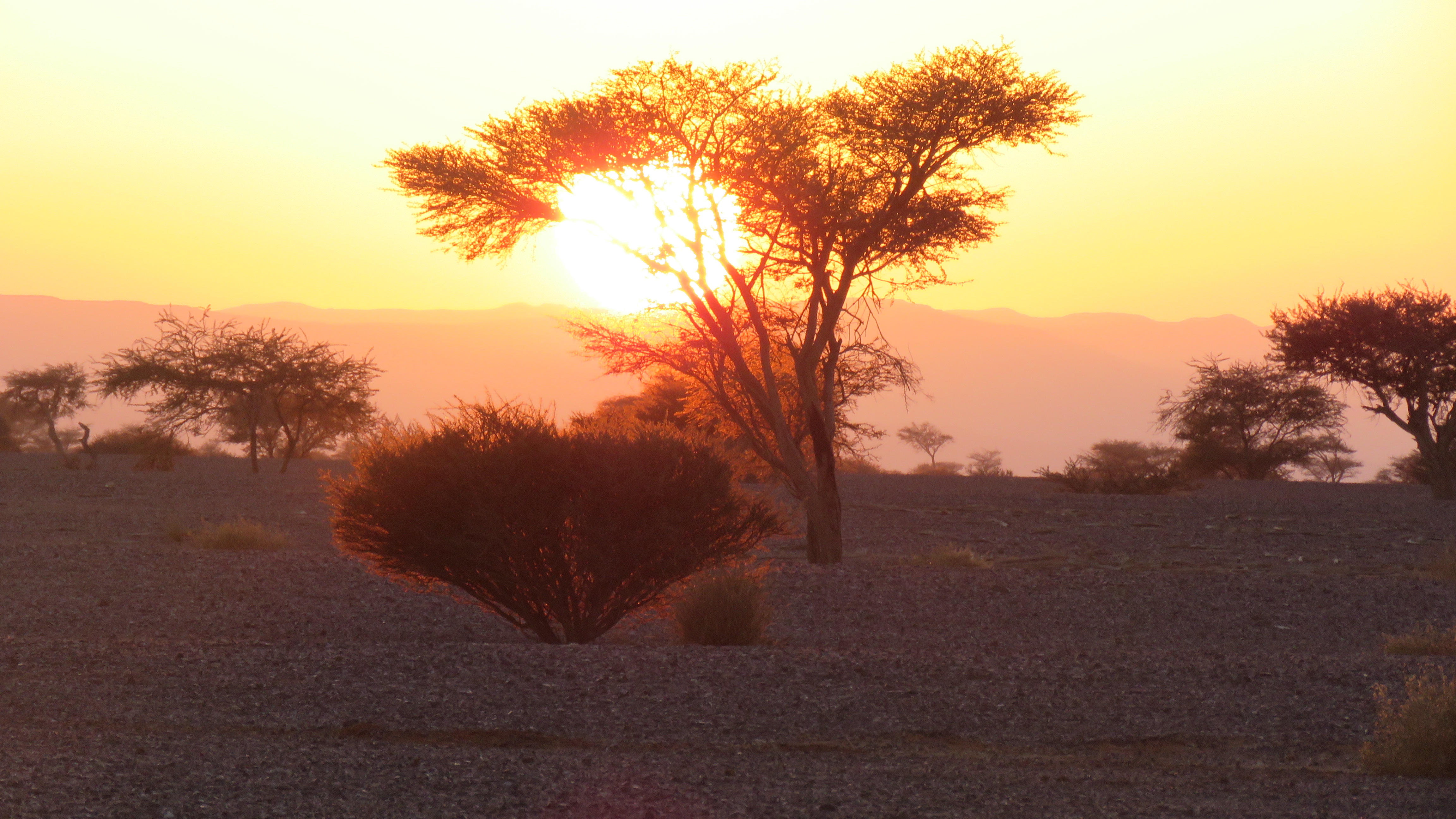
Under the Acacia Crown: Trees of Wadi Araba
An ecological reading of the native acacias of Wadi Araba, Jordan, exploring their relationship with water, landform, soil, shade, and other species. Rather than treating the trees as isolated botanical objects, the article looks at the small ecological worlds that form beneath and around their crowns.
Wadi Araba Sub-District, Aqaba
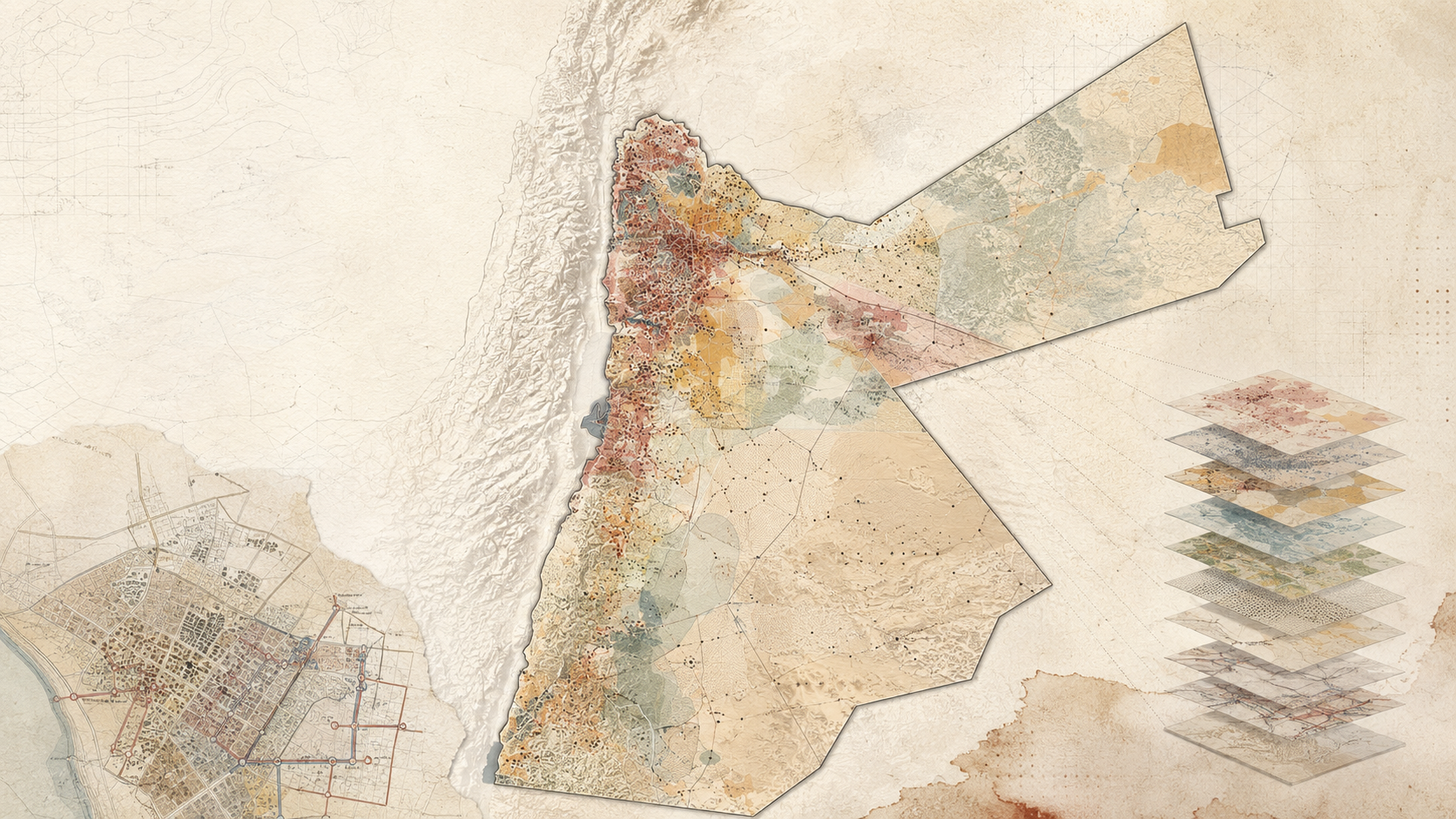
Mapping Sanitation Vulnerability in Jordan
This research developed a GIS-based Sanitation Hotspot Index for Jordan to identify districts and neighborhoods with the greatest need for sanitation intervention. Using the Analytic Hierarchy Process, expert and stakeholder input, and multiple spatial datasets, the study combined ten criteria into a national vulnerability model. The resulting maps were designed to support sanitation planning, funding allocation, donor prioritization, and infrastructure investment.
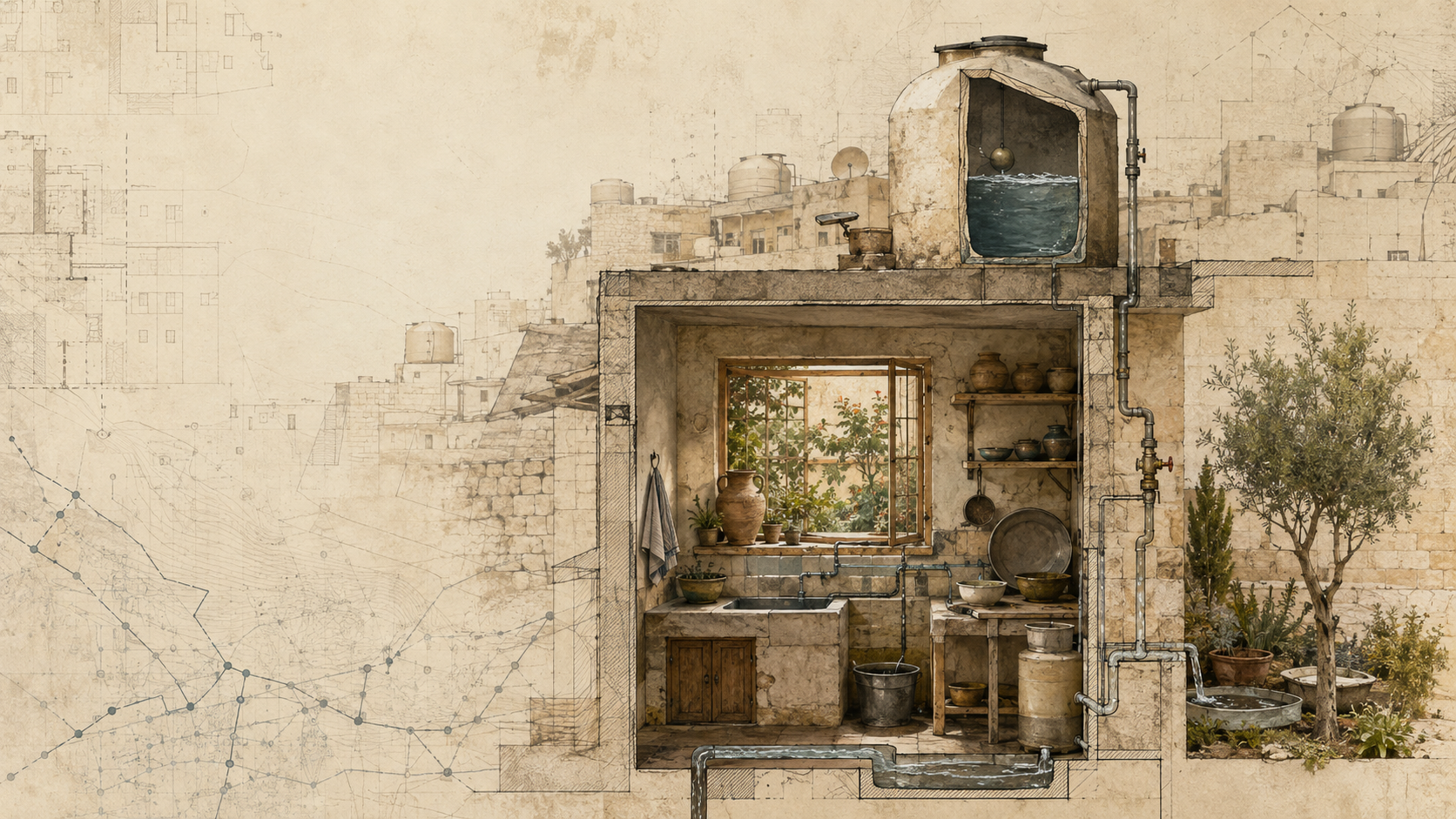
Planning Happens in Kitchens
A reflection on everyday planning through the experience of intermittent water supply in Jordan. The article argues that households do more than cope with scarcity: they forecast, prioritize, coordinate, adapt, reuse, and learn. Drawing on insurgent planning, counter-conduct, democratic planning, and the changing role of the planner, it asks whether planning should focus less on inviting citizens into formal processes and more on recognizing the planning practices citizens have already created.