
Central index
Search across articles, concepts, methods, places, and Field Collection records without forcing knowledge into one format.
Knowledge Library.
Knowledge index
4 records
Results reflect every active URL filter and can be bookmarked or shared.
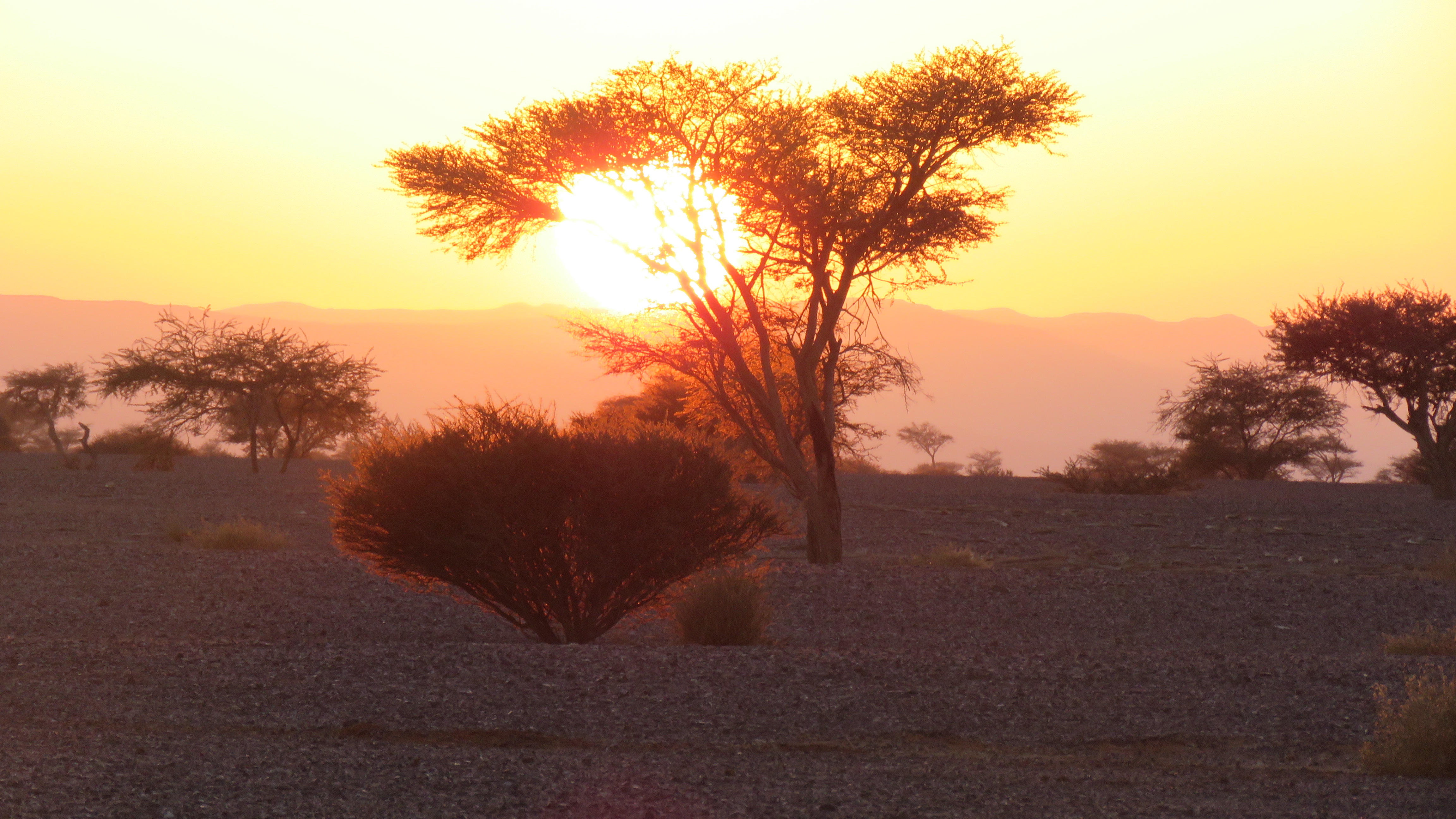
Under the Acacia Crown: Trees of Wadi Araba
An ecological reading of the native acacias of Wadi Araba, Jordan, exploring their relationship with water, landform, soil, shade, and other species. Rather than treating the trees as isolated botanical objects, the article looks at the small ecological worlds that form beneath and around their crowns.
Wadi Araba Sub-District, Aqaba
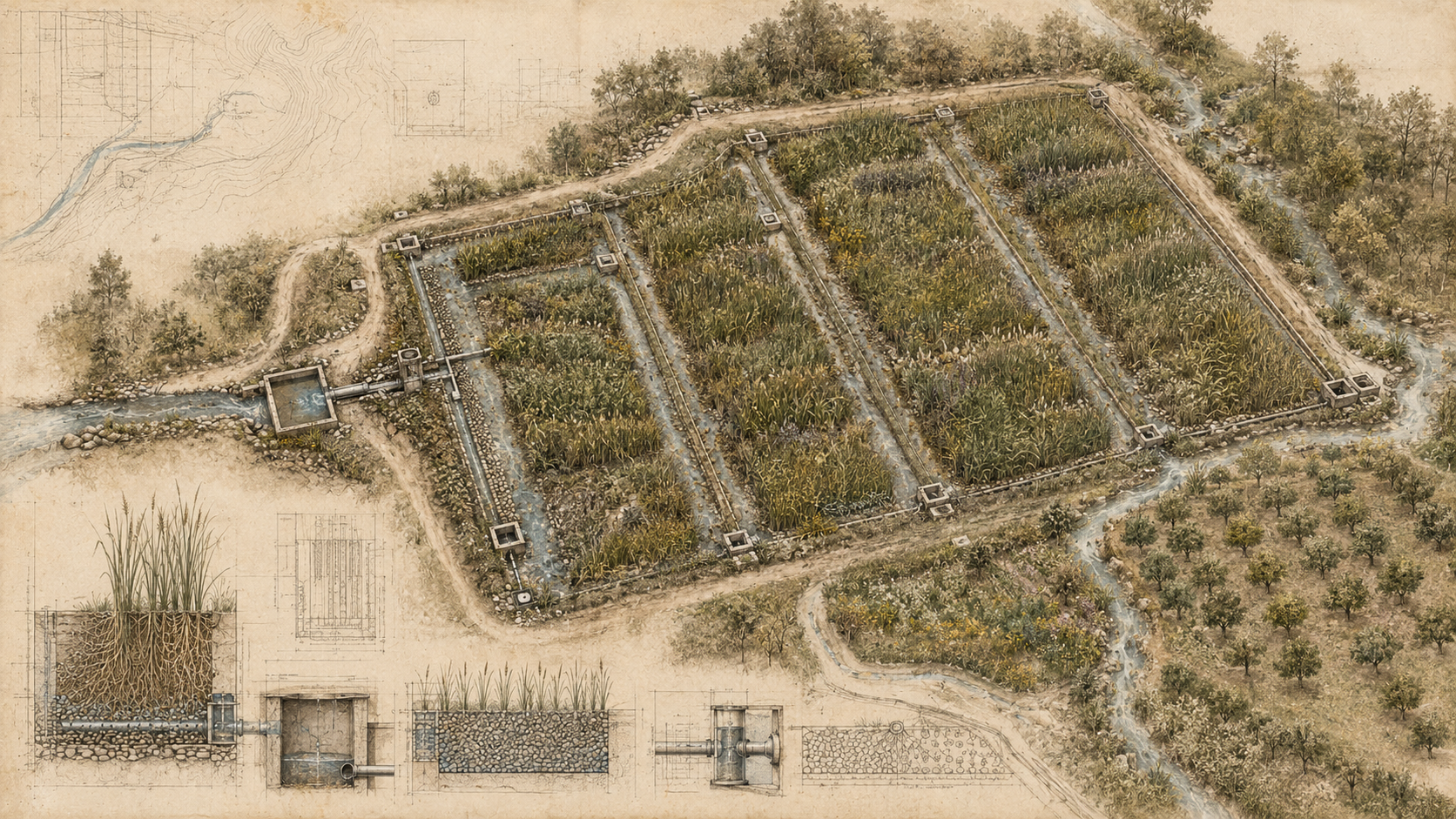
Constructed Wetlands: When Wastewater Treatment Becomes Landscape
A Field Guide to constructed wetlands as nature-based wastewater infrastructure. It explains how engineered wetland systems treat wastewater through physical, biological, and chemical processes while offering opportunities for low-energy operation, decentralized treatment, water reuse, biodiversity enhancement, landscape integration, and circular resource management. It also examines their limitations, including land requirements, pretreatment, clogging, maintenance, and the need to match treatment performance with intended reuse.
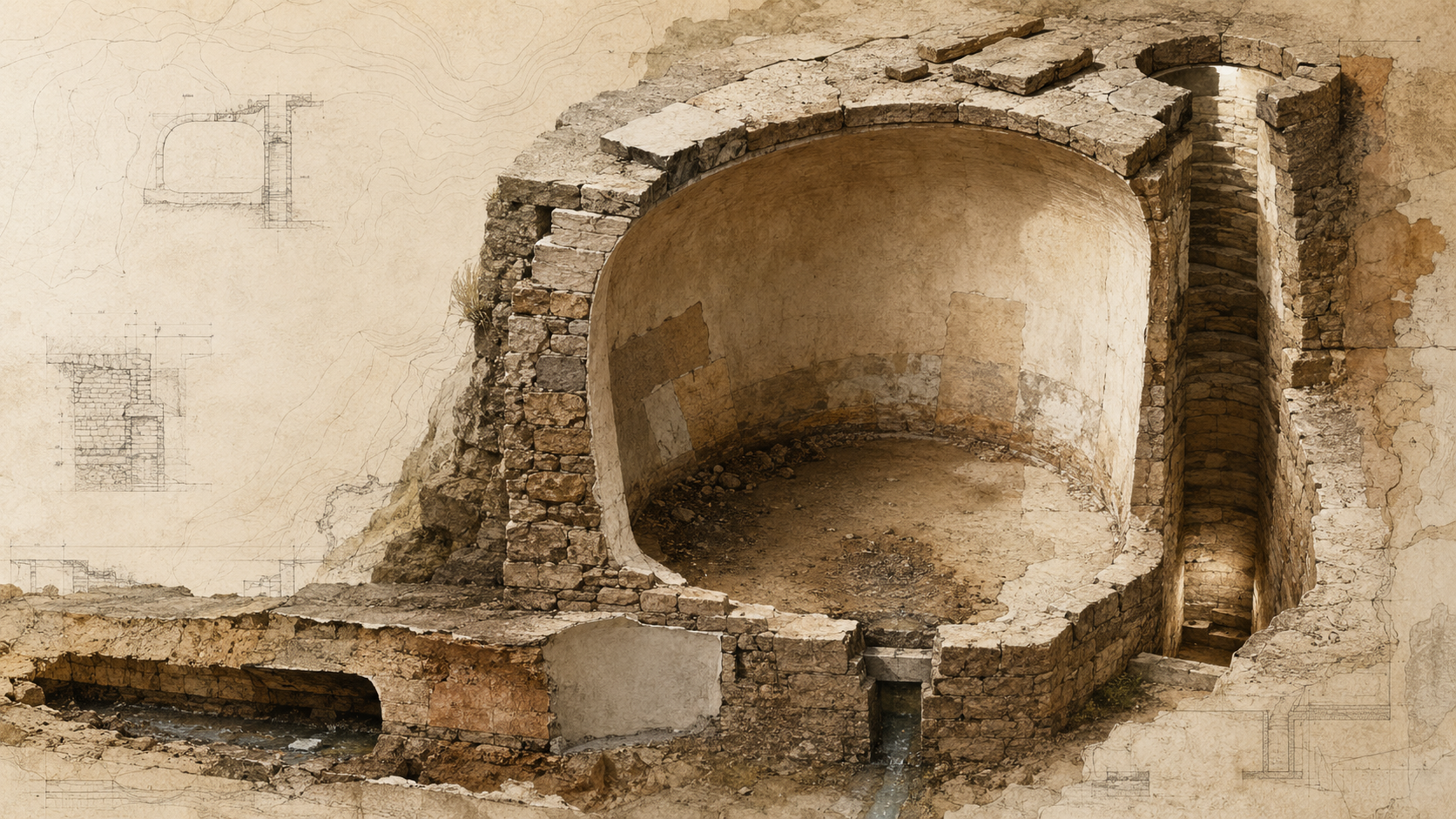
Ancient Water Systems Were Built to Be Maintained
A historic lesson about maintenance as an integral part of water infrastructure. The guide reads access shafts, inspection openings, sediment traps, repair masonry, channel linings, overflow routes, and maintenance paths as evidence that water systems were designed for continued intervention rather than permanent completion. It connects archaeological observation with contemporary planning questions about accessibility, stewardship, repair, and the long-term operation of decentralized infrastructure.
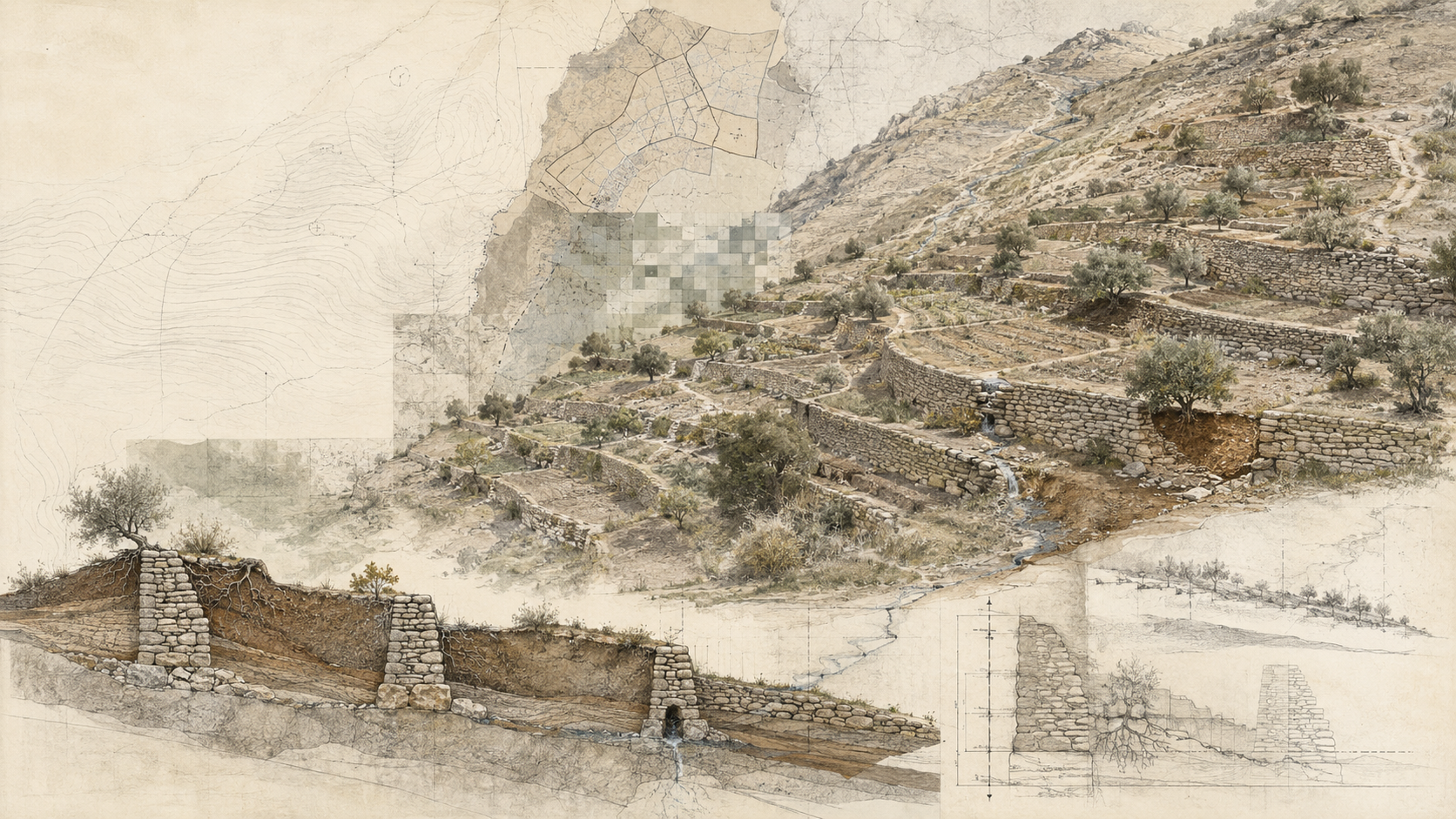
Reading Terraces as Slow Infrastructure
A field guide to reading terraces as landscape infrastructure rather than isolated walls. It explains how terraces alter slope geometry, runoff pathways, soil retention, cultivation, and maintenance, and offers a practical method for interpreting terrace systems through topography, field evidence, historical imagery, and GIS.