Plants · Field Record
Umbrella thorn acacia
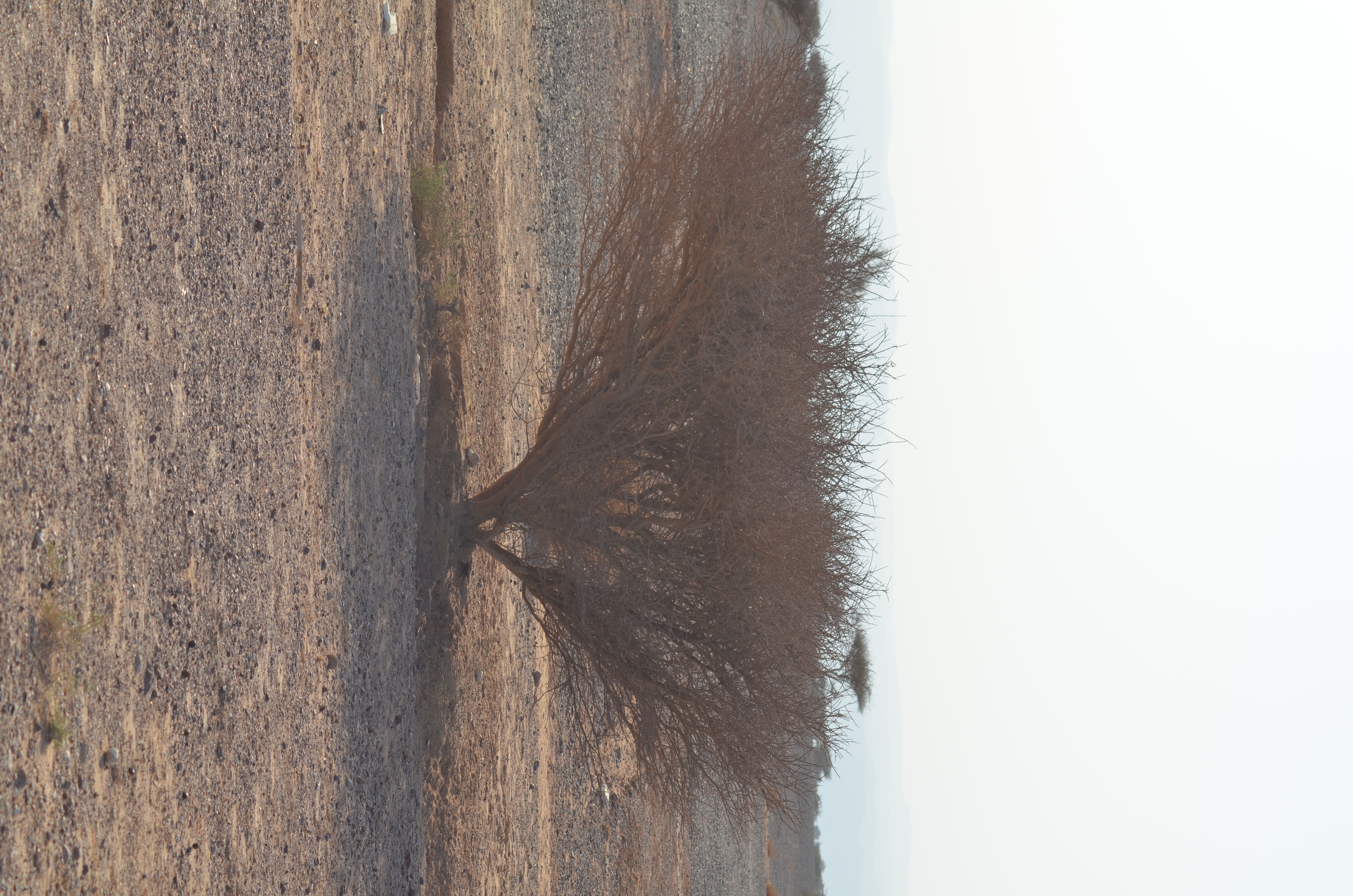
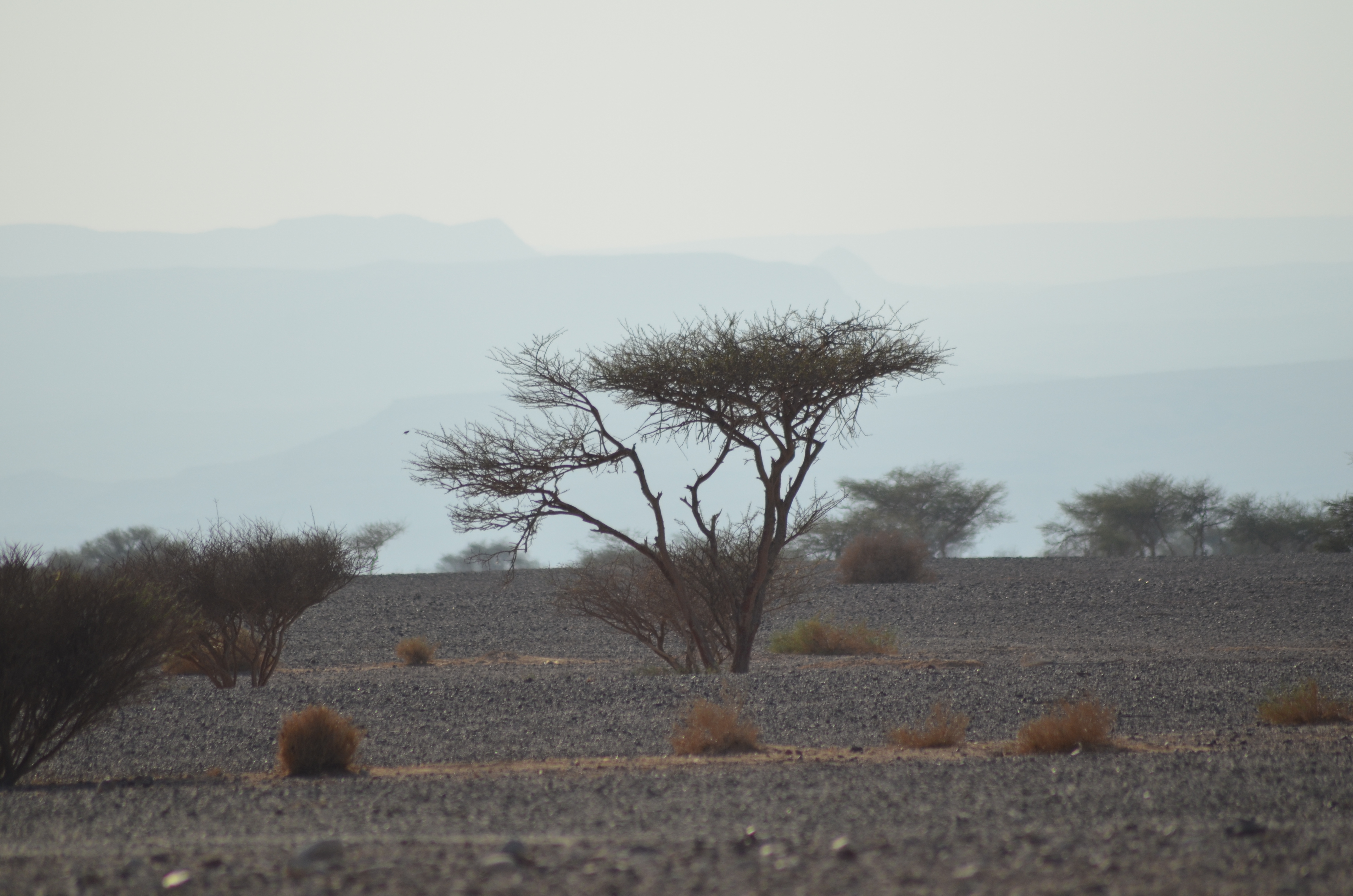
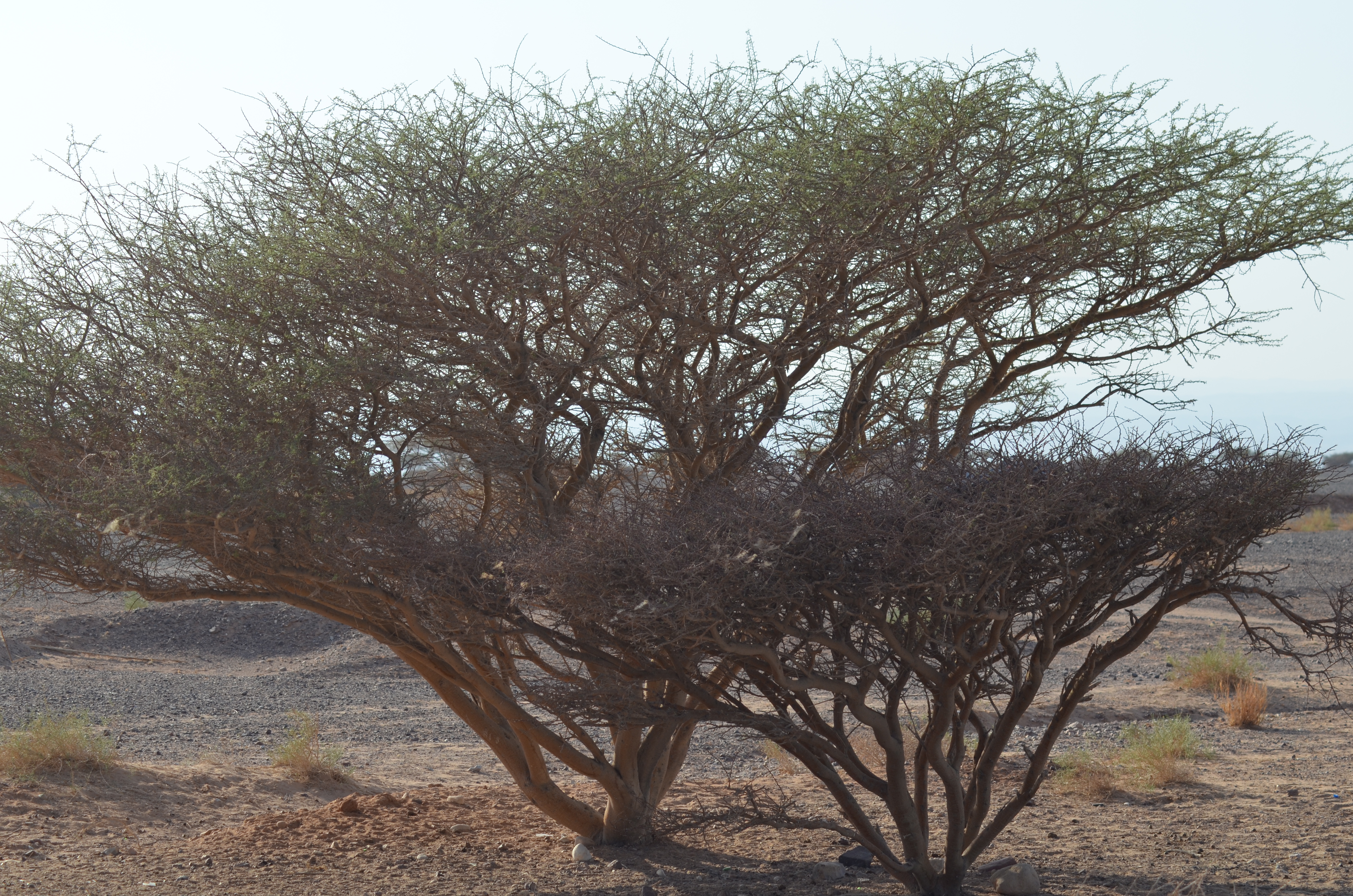
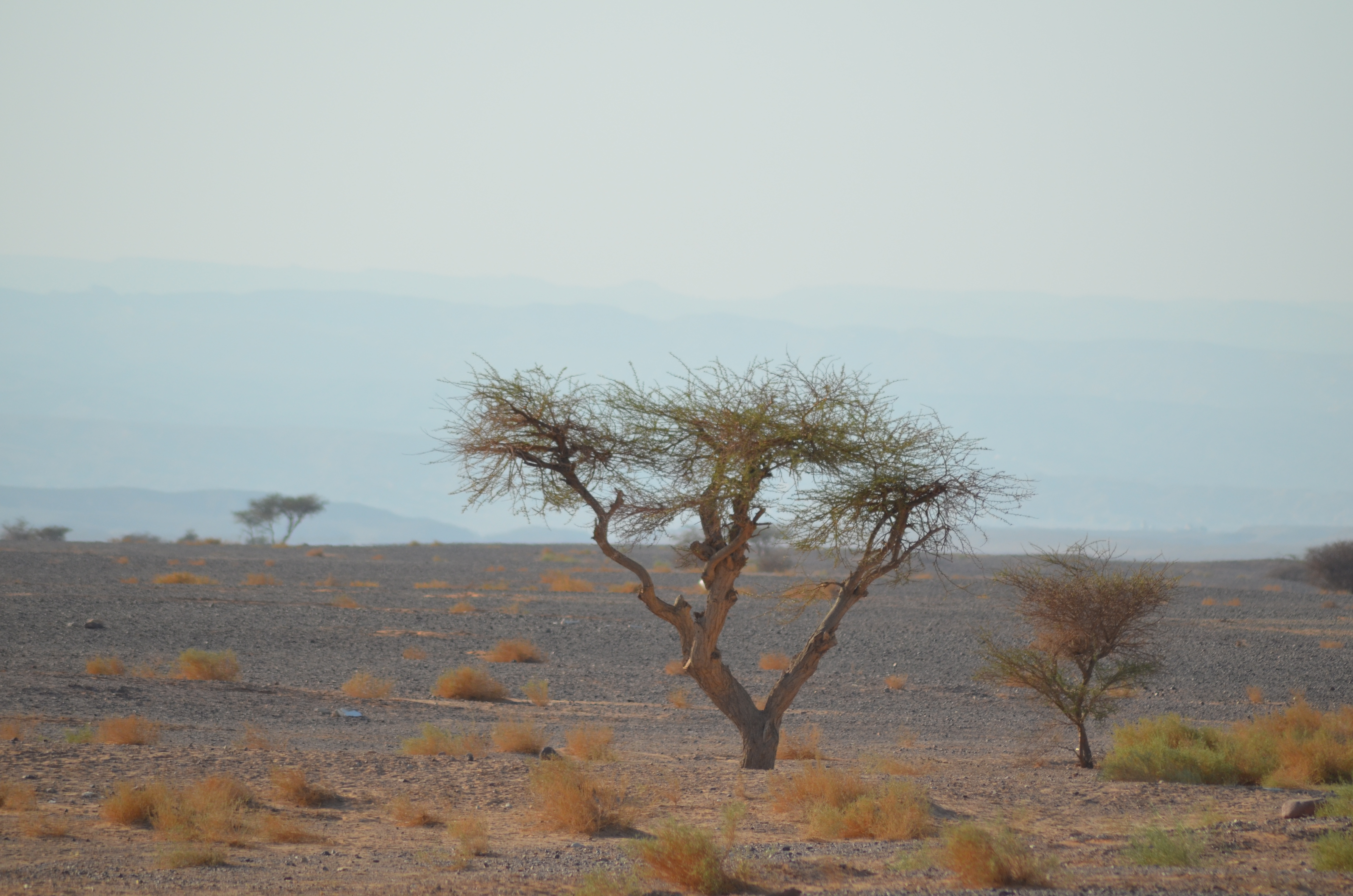
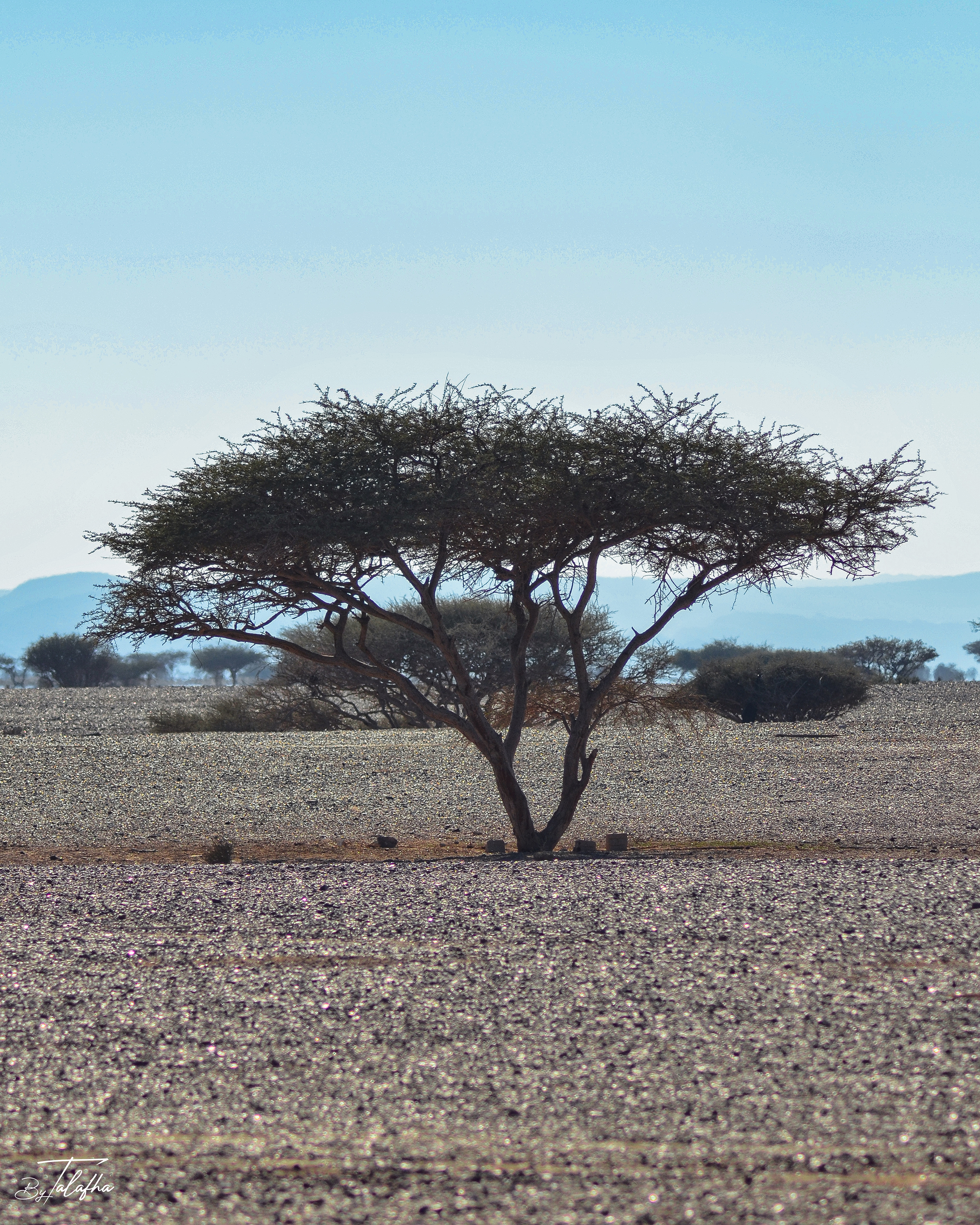
Scattered acacia trees and thorny shrubs occupy an open gravel plain in Wadi Araba, Jordan. The sequence records several growth forms, from broad flat-topped trees with open branching structures to denser, lower shrubs, all standing within a sparsely vegetated arid landscape of gravel, sand, and distant mountain ridges. The larger trees show the characteristic architecture often associated with drought-adapted acacias of southern Jordan, including spreading crowns, multiple stems, small leaves, and widely spaced growth across dry terrain. However, the photographs do not show enough diagnostic detail of leaves, pods, flowers, or thorns to support a confident species-level identification. As a Field Record, the value of the sequence lies as much in the landscape pattern as in the plants themselves. These trees punctuate an otherwise open desert surface, creating shade, vertical structure, and localized habitat in one of Jordan’s driest environments.
Observation location
Wadi Araba Sub-District, Jordan
Observation date
February 12, 2022
Field note
Acacia-like trees observed across the gravel plains of Wadi Araba. Individuals vary considerably in form, including broad umbrella-shaped crowns, irregular multi-stemmed trees, and dense low shrubs. Vegetation cover is sparse and strongly discontinuous across the surrounding ground surface.
Planning and ecological relevance
What this observation makes visible.
These trees are important elements of dryland landscape structure. In sparsely vegetated environments, individual woody plants can create shade, trap organic material, modify local wind and soil conditions, and provide habitat structure for birds, insects, and other wildlife. At landscape scale, their scattered distribution also reveals how vegetation persists selectively across highly water-limited terrain. Such patterns can be relevant to dryland ecology, grazing pressure, groundwater and runoff relationships, desert restoration, and climate adaptation.
Place
Wadi Araba Sub-District
Wadi Araba Sub-District, Jordan
Location generalized to protect the observation.
30.20, 35.30
More from this observation
A closer look.
Additional photographs recorded during the same field observation.