Plants · Field Record
Acanthus
Acanthus syriacus
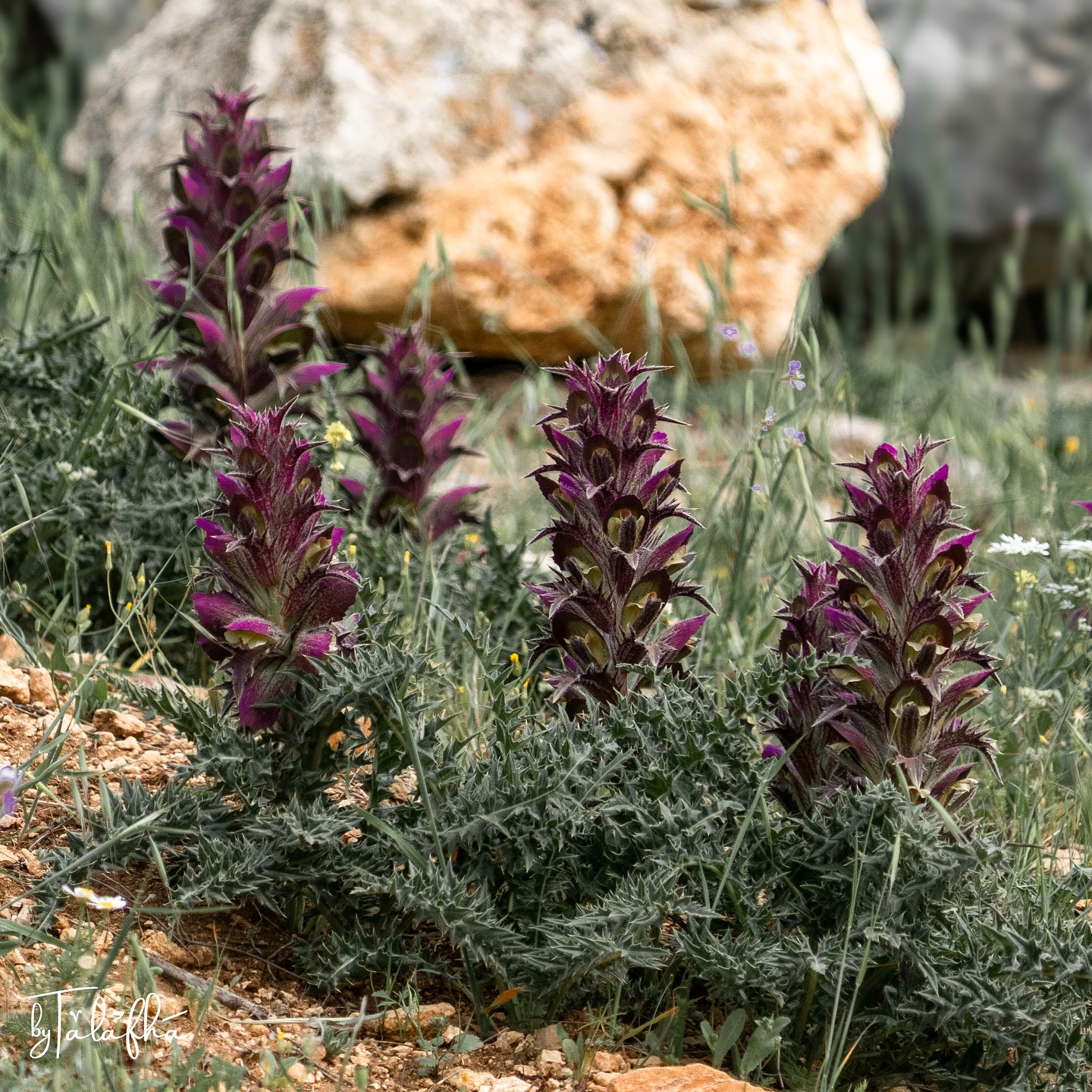
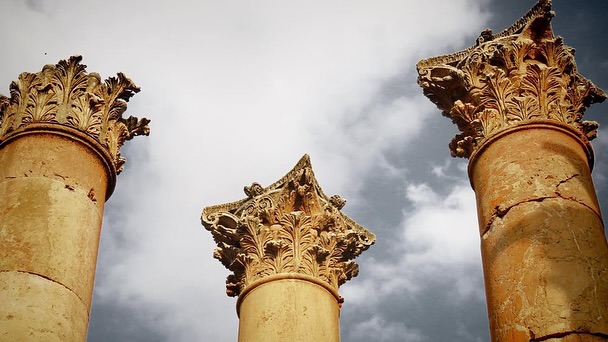
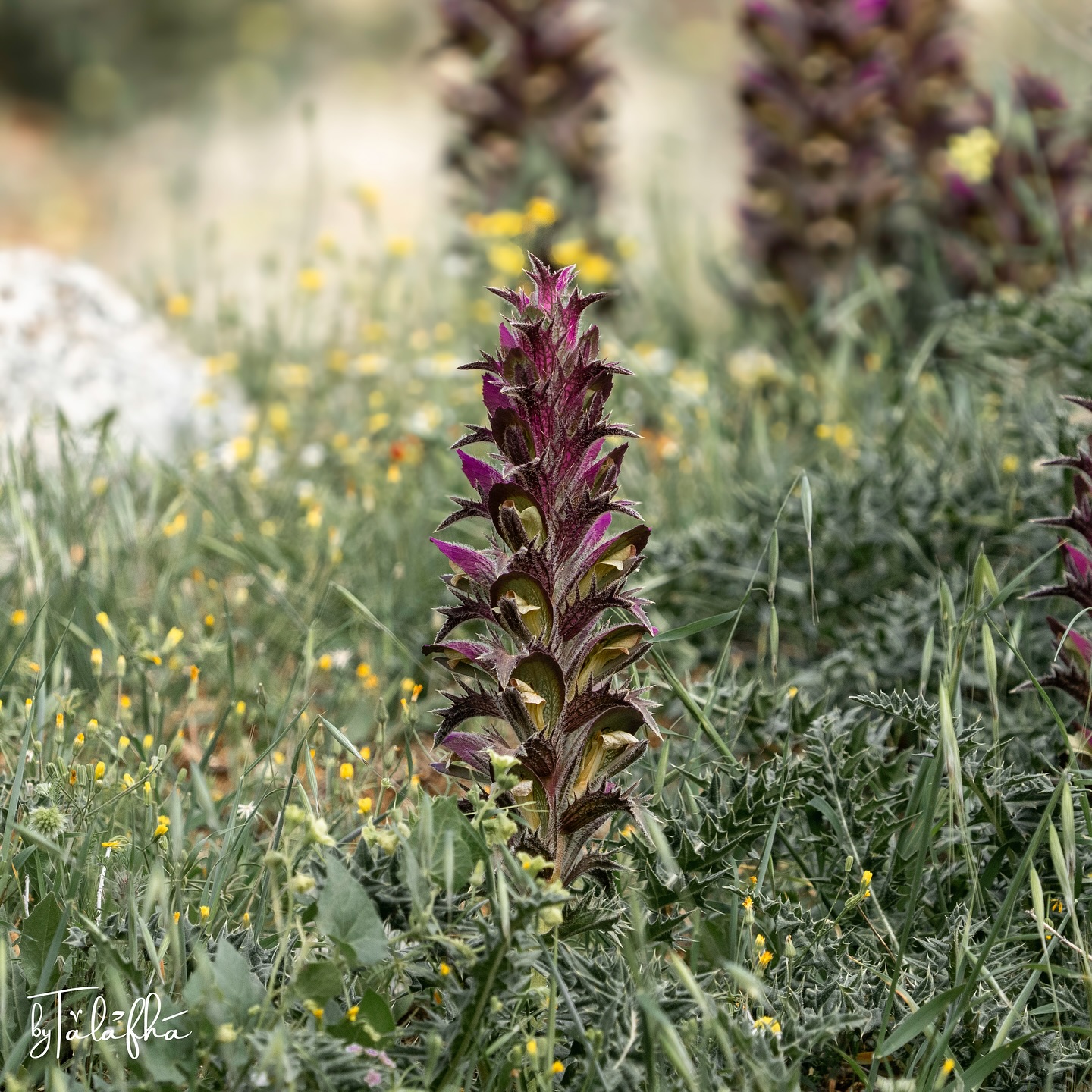
Acanthus growing among rocky ground and spring vegetation in the hills of northern Jordan. The plants form dense basal rosettes of deeply lobed, sharply toothed leaves, from which upright flower spikes rise in dark purple and green. The photographs show several flowering individuals growing together within a mixed herbaceous landscape. The plant is especially significant because the form of acanthus foliage became one of the most recognizable motifs in classical architecture. Stylized acanthus leaves were carved into Corinthian capitals across the Greek and Roman worlds, including monuments in Jordan. The resemblance is not a literal copy of a single species, but rather an architectural abstraction of the plant’s deeply divided and curling foliage. Placed beside a photograph of a Corinthian capital, the record becomes an observation of continuity between living vegetation and built heritage. A plant still growing in northern Jordan carries a visual language that was translated into stone centuries ago.
Observation location
كفر كيفيا, Mazar Shamali Sub-District, Jordan
Observation date
June 11, 2025
Field note
Several acanthus plants observed flowering among rocky ground in northern Jordan. Upright purple flower spikes emerge above dense rosettes of deeply lobed, spiny leaves.
Planning and ecological relevance
What this observation makes visible.
The record is relevant primarily through the relationship between landscape, cultural memory, and architectural form. Acanthus demonstrates how local and regional vegetation can become embedded in design traditions, linking natural form to ornament, monumentality, and the visual identity of historic places. It is also a reminder that heritage landscapes are not composed only of buildings and ruins. Living plants can carry cultural associations that connect ecology, material culture, and place.
Place
كفر كيفيا
كفر كيفيا, Mazar Shamali Sub-District, Jordan
Location generalized to protect the observation.
32.51, 35.76
More from this observation
A closer look.
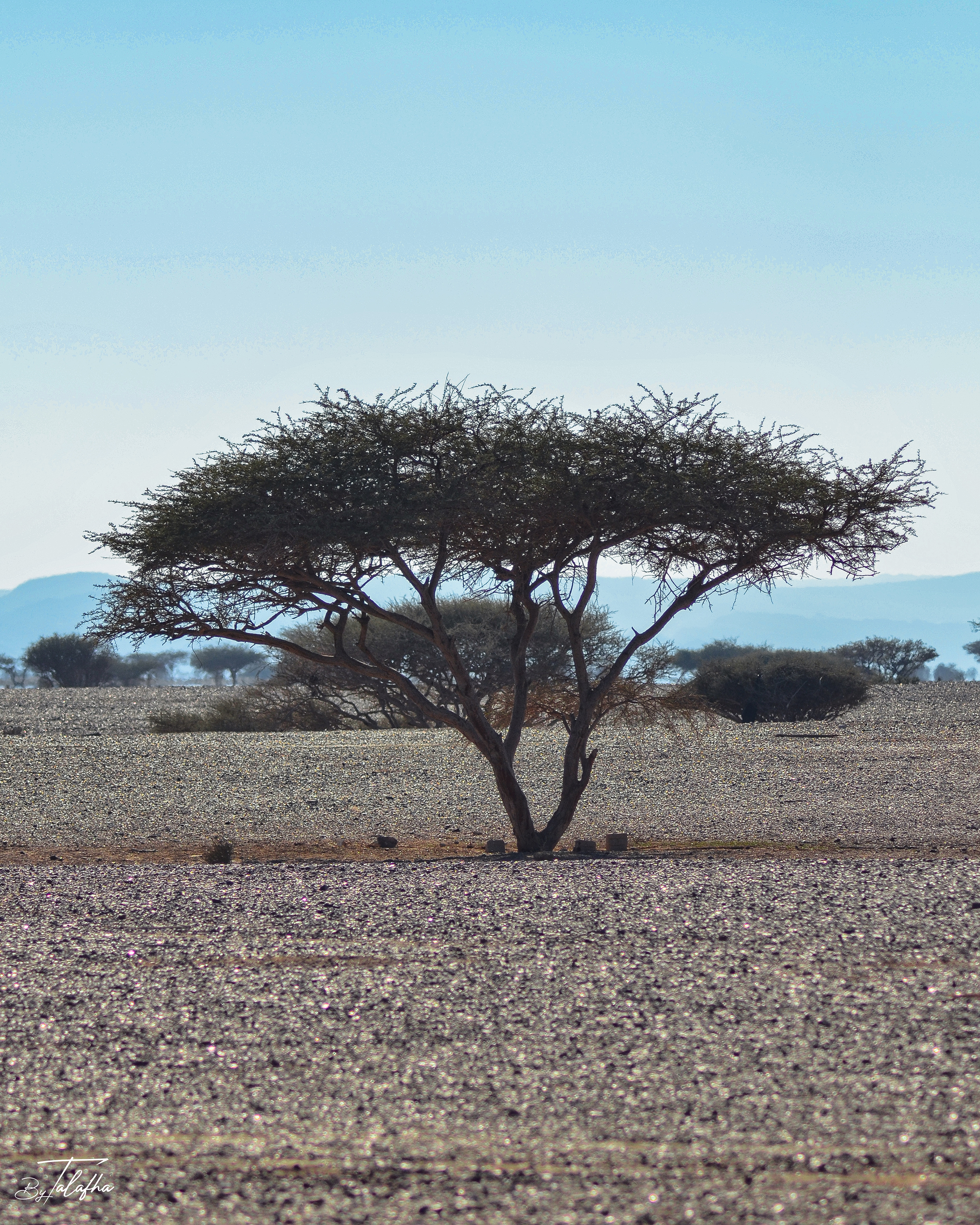
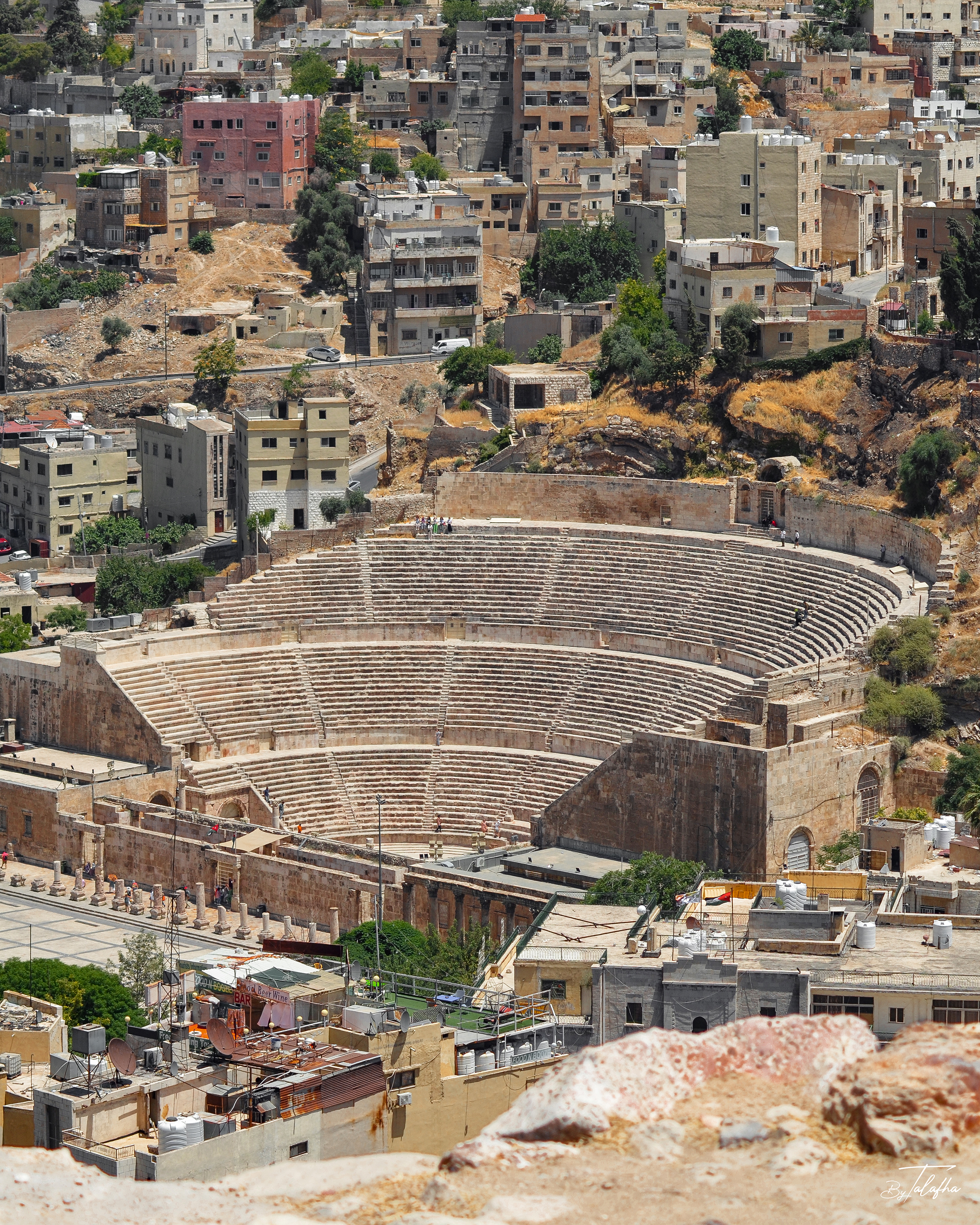
Additional photographs recorded during the same field observation.